 +6282257845149
 info@indotripdesigner.com




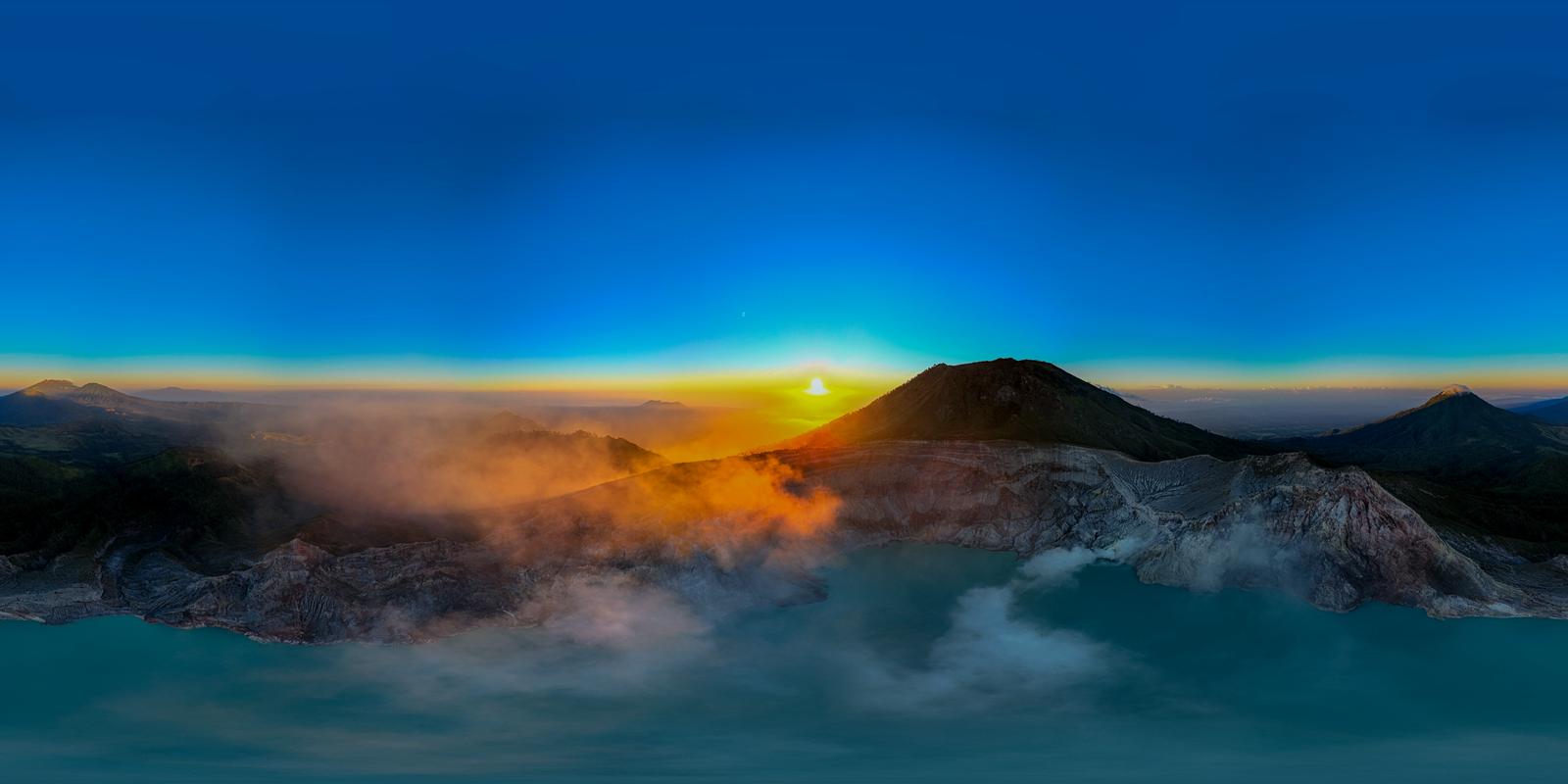
Kapas Biru is a beautiful East Java waterfall often considered together with other Lumajang waterfall routes. It is less globally famous than Tumpak Sewu, but it has a strong natural atmosphere.
This guide is written for travelers who want practical planning information before choosing a private route. Use it to understand timing, comfort level, what to bring, and how the destination can fit into a wider Java itinerary.
What to expect
Expect a destination that works best when timing is planned properly. Some places are easy city or cultural stops, while others need more energy, better footwear, or weather checking before the visit.
Best time to visit
Morning is usually the safest recommendation for most Java destinations because the weather is cooler, light is better for photos, and the route has more flexibility if conditions change.
For volcanoes and waterfalls, dry season from around April to October is usually more comfortable. For temples and city stops, year-round visits are possible with proper timing.
Practical tips
- Wear footwear with grip because paths can be wet
- Bring a dry bag for electronics
- Visit earlier in the day for safer timing
- Check weather before planning waterfall routes
How to include it in a private route
This destination can be planned as a focused visit or connected with nearby packages depending on pickup point, hotel location, weather, and final drop-off. A private route helps avoid awkward waiting time and makes it easier to combine multiple places in one clean flow.
Quick FAQ
Can Kapas Biru be combined with Tumpak Sewu? Yes, both can fit into a Lumajang waterfall-focused route.
Is Kapas Biru difficult? It can involve walking and slippery areas, so prepare for a nature route.
Is it suitable in rainy season? It depends on local conditions and rainfall intensity.