 +6282257845149
 info@indotripdesigner.com




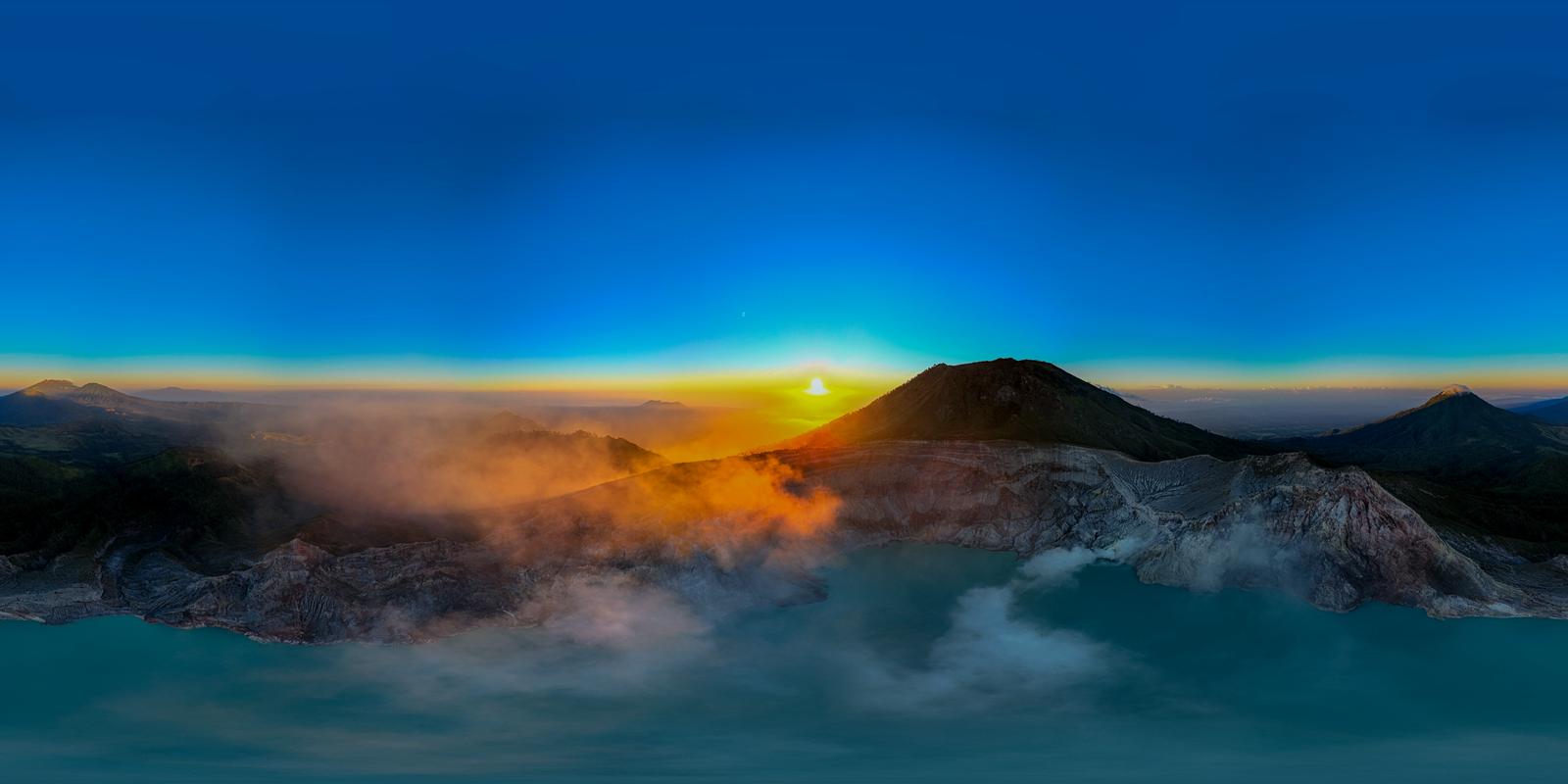
Mount Ijen is known for its crater lake, sulfur landscape, early morning trek, and sometimes blue fire when conditions allow. It is one of the strongest adventure stops in East Java.
This guide is written for travelers who want practical planning information before choosing a private route. Use it to understand timing, comfort level, what to bring, and how the destination can fit into a wider Java itinerary.
What to expect
Expect a destination that works best when timing is planned properly. Some places are easy city or cultural stops, while others need more energy, better footwear, or weather checking before the visit.
Best time to visit
Morning is usually the safest recommendation for most Java destinations because the weather is cooler, light is better for photos, and the route has more flexibility if conditions change.
For volcanoes and waterfalls, dry season from around April to October is usually more comfortable. For temples and city stops, year-round visits are possible with proper timing.
Practical tips
- Sleep early before the trek
- Wear warm clothing and shoes with grip
- Use gas mask when instructed near sulfur areas
- Follow local guide and safety rules
How to include it in a private route
This destination can be planned as a focused visit or connected with nearby packages depending on pickup point, hotel location, weather, and final drop-off. A private route helps avoid awkward waiting time and makes it easier to combine multiple places in one clean flow.
Quick FAQ
Is Ijen harder than Bromo? Yes, Ijen is generally harder because it involves an uphill hike.
Is blue fire guaranteed? No, it depends on weather, crater conditions, and safety rules.
Can Ijen finish in Bali? Yes, Ijen is commonly connected with Banyuwangi ferry and Bali transfer.